Upper/Lower Extremity Venous Duplex
Upper or Lower Extremity Duplex is a non-invasive ultrasound test that evaluates vein structure and blood flow to detect clots, blockages, or venous insufficiency.
Purpose of an Upper or Lower Extremity Venous Duplex:
- Deep Vein Thrombosis (DVT): Blood clots in deep veins, which can lead to serious complications like pulonary embolism.
- Venous Insufficiency: When valves in the veins fail, causing bloob to pool andresulting in symptoms like swelling and varicose veins.
- Varicose Veins: Enlarged, twisted veins that may cause discomfort or other complications.
- Superficial Thrombophlebitis: Inflammation of superficial veins, often associated with clots.
Indications for the Test:
- Swelling in the legs or arms.
- Pain or tenderness along a vein.
- Redness or warmth in the skin overlying a vein.
- Varicose veins or chronic leg discomfort.
Procedure:
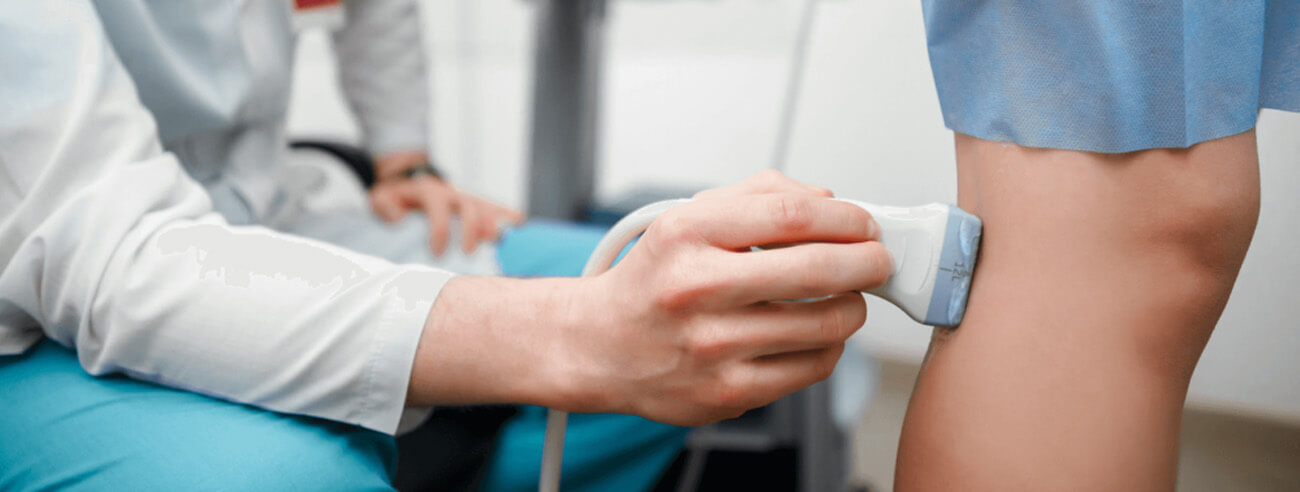
The patient may either lie down or stand, depending on the area being examined. A water-based gel is applied to the skin to enhance the transmission of sound waves and ensure clear imaging. The ultrasound probe is then moved along the veins, and compression maneuvers are used to assess the collapsibility of the veins and gather information about blood flow. This helps evaluate conditions such as deep vein thrombosis (DVT) or venous insufficiency. The procedure is non-invasive and painless, with the entire process typically taking 30-45 minutes to complete. The images and data collected during the exam are crucial for diagnosing any vascular abnormalities or blood flow issues.
Results:
Normal results from the ultrasound indicate no blockages, blood clots, or abnormalities in blood flow, suggesting healthy veins and proper circulation. On the other hand, abnormal results may reveal the presence of blood clots, poor vein function, or other vascular issues, such as venous insufficiency or valve dysfunction. These findings can help identify conditions like deep vein thrombosis (DVT) or chronic venous disease, which may require further evaluation or treatment, such as anticoagulation therapy, compression therapy, or, in some cases, surgical intervention to prevent complications and improve circulation.